Teenagers and Anxiety Since COVID: Understanding and Addressing the Crisis
By Dr. Douglas Cowan, Psy.D.
Marriage and Family Therapist
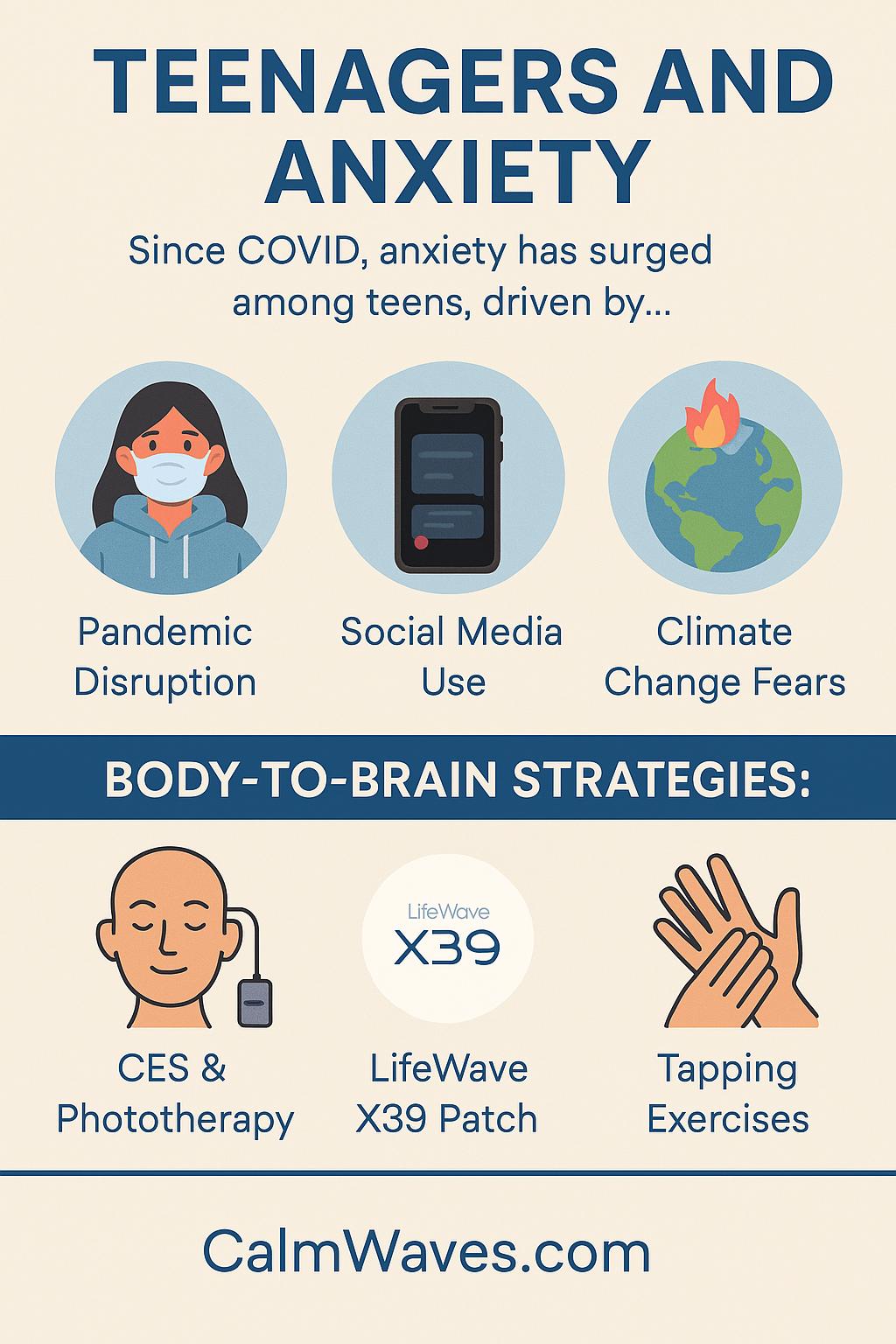
Teen anxiety has exploded in recent years. What was once considered a rare emotional concern is now a daily struggle for millions of adolescents around the world. Since the COVID-19 pandemic, teenagers have faced unprecedented disruptions to their social lives, education, and emotional development—leading to a dramatic increase in anxiety-related symptoms.
This article explores the scope of the teen anxiety epidemic post-COVID, including the roles of social media, climate fears, and societal pressures. It also outlines integrative, research-backed approaches that can help teens and their families navigate these challenges—from talk therapy to phototherapy patches and CES neurostimulation.
Anxiety in Teens: A Post-Pandemic Surge
The global incidence of anxiety disorders among youth aged 10–24 increased by 52% from 1990 to 2021—with the most dramatic rise occurring after 2019. In the United States alone, nearly 1 in 3 adolescents report persistent feelings of sadness or anxiety.
According to CDC and WHO data:
· Anxiety symptoms are highest among those aged 16–29
· Girls and young women report higher levels than boys
· Symptoms of anxiety rose by 24.2% during the COVID lockdown period
· Nearly 40% of teens report difficulty managing their emotions daily
This mental health surge is not merely a trend—it’s a cultural and neurological crisis that demands our full attention.
COVID-19 and the Disruption of Teen Development
The COVID-19 pandemic profoundly disrupted teen development at a critical neurological window. Adolescents thrive on connection, peer validation, and structured environments—all of which disappeared overnight during school shutdowns.
Many teens experienced:
· Loss of social engagement and school rituals
· Increased screen time and isolation
· Family stress from illness, unemployment, or housing issues
· Heightened exposure to bad news and fear-based messaging
This toxic mix elevated stress hormones, suppressed mood regulation systems, and overwhelmed the developing nervous system—making anxiety a near-universal experience among today’s teens.
The Social Media Trap: FOMO, Filters, and Anxiety
For Gen Z teens, social media is a central part of life. Yet multiple studies show that frequent use—especially more than three hours per day—doubles the risk of anxiety and poor mental health.
Platforms like TikTok, Snapchat, and Instagram amplify social comparison, filtered beauty standards, and fear of missing out (FOMO).
Notable statistics include:
· 20% of teens are online 'almost constantly'
· Teens using social media 3+ hours daily are 2x more likely to report anxiety symptoms
· Only 9% of non-social media users report anxiety—compared to 27% of daily users
Social media overstimulates the brain’s dopamine reward system, activates the amygdala (fear center), and reinforces stress instead of connection.
Climate Anxiety: A Hidden but Powerful Force
More than 60% of teens report feeling anxious, sad, or overwhelmed about climate change. This fear—called eco-anxiety—is now recognized by psychologists as a real mental health challenge.
Nearly 24% of teens say these concerns affect their family planning decisions, and many feel a loss of control and helplessness in the face of global environmental decline.
This ongoing dread contributes to chronic anxiety and a sense of hopelessness about the future.
Signs of Anxiety in Teenagers
Teenagers often don’t talk about their feelings directly. Instead, anxiety can show up as physical or behavioral changes, including:
· Headaches or stomach aches
· Irritability, defiance, or withdrawal
· Sleep disturbances or nightmares
· Perfectionism or school refusal
· Constant worry or negative self-talk
Parents and caregivers may notice their teen becoming more distant, reactive, or overwhelmed by daily tasks.
Effective Tools to Help Teens Manage Anxiety
There’s no one-size-fits-all approach—but a combination of body, brain, and relational tools can make a dramatic difference. The key is supporting the teen’s nervous system, emotional processing, and ability to self-regulate.
1. CES CalmBox Neurostimulation
The CES CalmBox is a cranial electrotherapy stimulation device that gently activates the parasympathetic nervous system. Used for 30 minutes daily, CES can improve sleep, reduce worry, and restore balance to an overwhelmed brain.
2. LifeWave Phototherapy Patches
Drug-free phototherapy patches like X39 and Aeon help reduce cortisol and inflammation, enhance resilience, and calm emotional overactivation. Alavida and Carnosine patches support sleep, cognition, and stress repair. These patches are especially useful for teens with sensory sensitivities or sleep issues.
3. Tapping and Breathing Exercises
EFT tapping and breathing patterns like the 4-4-6 technique help teens regain control in the moment. These strategies activate the vagus nerve and shift the brain into a calm state.
4. Talk Therapy and Supportive Adults
Teens need trusted relationships. A therapist, counselor, or mentor can help them name what they’re feeling, develop coping tools, and reframe negative thought patterns.
5. Movement and Digital Boundaries
Daily walking, stretching, or exercise helps regulate hormones and process emotional energy. Reducing screen time—even by an hour—can significantly improve sleep, focus, and calm.
Conclusion: Hope for the Next Generation
Teenagers are resilient, but they need support. The world they’ve inherited is complex, overstimulating, and uncertain. By recognizing the pressures they face—and offering tools that support the body, brain, and heart—we can help them grow through anxiety, not just survive it.
Combining modern tools like CES and phototherapy with timeless strategies like connection, breathwork, and purpose-based living offers a powerful roadmap for healing.
Let’s raise a generation that knows how to calm their minds, nurture their bodies, and find peace in a turbulent world.
· This article is for educational purposes only. Please consult with your healthcare provider before beginning any new therapy or wellness program.*